


How Ottawa Homeowners Can Help Reduce the Risk of Basement Flooding
After the extreme rainfall Ottawa experienced on Canada Day, basement flooding became a reality for homeowners across many parts of the city.
On July 1, 2026, Environment and Climate Change Canada recorded approximately 118 mm of rain at the Ottawa International Airport, breaking the airport’s previous rainfall record for July 1. The storm caused widespread flooding, road closures, power outages and thousands of flood-related service requests.
No property can be made completely flood-proof, particularly during an extreme weather event. However, regular maintenance, appropriate drainage and professionally designed flood-protection improvements may help reduce the likelihood or severity of water damage.
Because every property and drainage system is different, homeowners should consult qualified professionals before making changes to grading, plumbing, foundations, electrical systems or landscaping.
1. Check the Grading Around Your Home
The ground surrounding a home should generally direct surface water away from the foundation rather than allowing it to collect beside basement walls.
Walk around your property during or shortly after rainfall and look for:
- Standing water near the foundation
- Soil that has settled beside the house
- Walkways or patios that slope toward the home
- Mulch or raised garden beds that may hold water against the foundation
- Water draining toward neighbouring properties
Changes to lot grading can affect neighbouring properties, municipal drainage patterns and swales. Homeowners should therefore consult a qualified grading, landscaping or drainage professional before adding soil, changing slopes or redirecting water.
Depending on the scope of the work, municipal approvals or consultation with the City may also be appropriate.
2. Keep Eavestroughs and Downspouts Clear
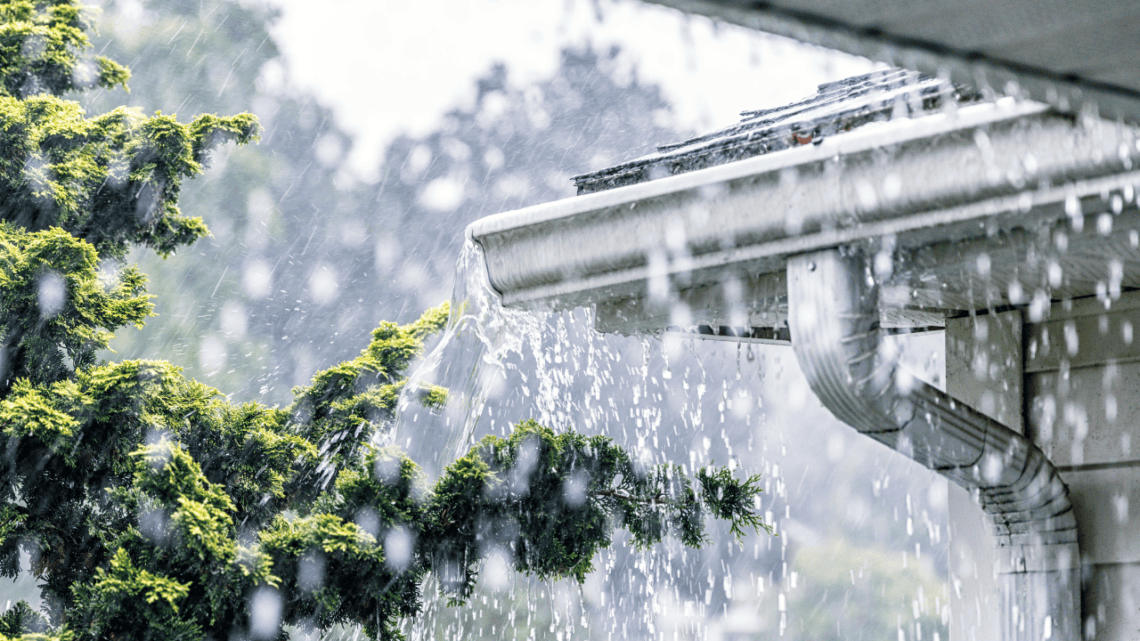
Eavestroughs and downspouts help move roof water away from the home. Leaves, debris, ice, damaged sections or disconnected extensions can cause water to overflow or discharge beside the foundation.
Regularly check that:
- Eavestroughs are clear and securely attached.
- Downspouts are not blocked, leaking or disconnected.
- Water is directed away from the foundation.
- Discharge does not create a hazard or direct water onto neighbouring property.
- Downspouts are not improperly connected to the sanitary sewer.
The appropriate discharge location and distance will depend on the property’s grading, drainage pattern and municipal requirements. Rather than relying on a single distance for every home, have a qualified drainage or eavestrough professional assess where the water should be directed.
3. Inspect and Maintain Your Sump-Pump System
A sump pump may help remove water collected by the home’s foundation drainage system. However, its effectiveness depends on proper design, capacity, installation, maintenance and a suitable discharge location.
Homeowners may be able to perform a basic operational check by carefully adding water to the sump pit and confirming that the pump activates. Before testing it, review the manufacturer’s instructions and avoid touching electrical equipment while standing in water or when the area is wet.
A qualified plumber or sump-pump contractor should be contacted to assess:
- Whether the pump is appropriately sized
- Whether the float or switch operates properly
- Whether the discharge line is blocked, frozen or damaged
- Whether the water is discharged to an approved location
- Whether a high-water alarm is appropriate
- Whether a secondary pump or backup power system is advisable
A battery-backup or other approved backup system may help during an outage, but it must be properly selected and installed. Electrical work should be completed by a Licensed Electrical Contractor where required.
4. Have Foundation Cracks and Water Entry Professionally Assessed
Cracks in concrete do not all have the same cause or level of concern. Some may result from normal shrinkage, while others may be associated with movement, drainage problems, hydrostatic pressure or structural conditions.
Watch for:
- Cracks that are widening or changing
- Displacement on either side of a crack
- Repeated water entry
- Damp areas on basement walls
- Water stains or peeling finishes
- White mineral deposits, known as efflorescence
- Bowing or movement in foundation walls
Efflorescence and damaged finishes can indicate that moisture is moving through or affecting the foundation area, but they do not identify the underlying cause by themselves.
Avoid assuming that every crack can be corrected with an injection or surface sealant. A qualified foundation contractor, building professional or structural engineer should first determine the source and significance of the problem. Structural concerns should be assessed by a professional engineer licensed in Ontario.
5. Watch for Signs of Excess Moisture
A basement may have a moisture problem even when there is no visible standing water.
Possible warning signs include:
- Persistent musty odours
- Condensation on windows, pipes or other surfaces
- Damp or softened drywall
- Peeling or blistering paint
- Warped or lifting flooring
- Rusting fasteners or metal components
- Visible mould growth
These symptoms may be related to water entry, condensation, plumbing leaks, inadequate ventilation or other building-envelope conditions. A qualified professional can help determine the source.
6. Check Basement Windows and Window Wells
Basement windows and window wells may allow water to enter when surrounding drainage is poor, the well is too low, or the drain is blocked or improperly connected.
Check for:
- Leaves, soil and debris inside the well
- Damaged or missing covers
- Water collecting against the window
- Cracked glass, deteriorated seals or damaged frames
- Soil or landscaping that directs water toward the opening
- Signs of previous leakage inside the basement
A window-well cover may help reduce the amount of rain and debris entering the well, but it is not a substitute for proper drainage.
Do not attempt to clear a window-well drain using methods that could damage underground drainage pipes. If water remains in the well, consult a qualified drainage, foundation or waterproofing professional.
7. Inspect the Property After Heavy Rain
A major storm can reveal drainage problems that may not be visible during dry weather.
When it is safe, walk around the property and note:
- Water pooling for an extended period
- Soil erosion or newly formed channels
- Overflowing or leaking eavestroughs
- Disconnected downspouts
- Water collecting beside the foundation
- Water entering basement doors or windows
- Sump pumps operating continuously
- Unusual drain sounds or sewer odours
Photographs and written notes can help a contractor understand where water travelled and how long it remained.
Ottawa residents who experience flooding should also report it through 311, even when emergency assistance is not required. These reports help the City identify affected areas and investigate the performance of local drainage and sewer infrastructure.
Important Electrical Safety Warning
Never enter a flooded basement when water may be in contact with electrical outlets, appliances, wiring, baseboard heaters or the electrical panel.
Do not attempt to switch off the main breaker while standing in water. Contact Hydro Ottawa, emergency services or a Licensed Electrical Contractor for instructions and safe disconnection.
During the July 1 storm, Hydro Ottawa specifically advised residents to avoid flooded basements and to arrange safe power disconnection where water had risen above electrical equipment.
The Bottom Line
Ottawa’s Canada Day storm demonstrated that intense rainfall can overwhelm local drainage systems and affect homes that have never previously flooded. The City reported that water entered basements through several possible routes, including overwhelmed storm connections, foundation cracks and joints, doors and windows, groundwater infiltration, and sump pumps that failed or could not keep pace with incoming water.
Regular inspections and properly designed improvements may help reduce risk, but no maintenance measure, plumbing device or waterproofing system can guarantee that a basement will remain dry during every storm.
The most appropriate approach is to have the property assessed as a complete system, including the roof drainage, grading, foundation, plumbing, sump pump, sewer connections, window wells and insurance coverage, by qualified professionals.
Disclaimer
This article is provided for general educational and informational purposes only. It is not engineering, architectural, structural, electrical, plumbing, landscaping, drainage, environmental, insurance, legal, mould-remediation, waterproofing or construction advice.
Building conditions, soils, drainage systems, municipal infrastructure and legal requirements vary between properties. The information in this article does not guarantee that flooding, sewer backup, mould growth, structural damage or other loss will be prevented.
Before undertaking repairs, excavation, plumbing, electrical work, grading, landscaping, waterproofing or drainage alterations, consult the appropriate qualified professionals. These may include a professional engineer licensed in Ontario, a licensed plumber, a Licensed Electrical Contractor, a qualified foundation or waterproofing contractor, a drainage or grading specialist, an insurance representative, a lawyer and the City of Ottawa.
Homeowners are responsible for confirming current permit, inspection, zoning, utility-locate, conservation-authority, municipal and insurance requirements before beginning work.